Hand in Hand Counseling offers virtual counseling services to clients throughout the state of Florida, and in-person counseling in Brandon, Fl and surrounding areas.
Counseling for Trauma and PTSD
Trauma is a response to deeply distressing or disturbing experiences that overwhelm a person’s ability to cope. These experiences can leave lasting emotional, psychological, and physical effects long after the event has passed. Trauma can result from a single incident or from repeated exposure to stressful or harmful situations.
Post-Traumatic Stress Disorder (PTSD) is a trauma-related condition that may develop after experiencing or witnessing a traumatic event. While not everyone who experiences trauma develops PTSD, both trauma and PTSD can significantly impact daily life, relationships, and overall well-being.
Understanding PTSD
PTSD may occur when the nervous system remains stuck in “survival mode” after a traumatic experience. Individuals with PTSD may feel as though the trauma is still happening, even when they are safe. This can interfere with work, relationships, and the ability to enjoy everyday life. PTSD can develop after experiences such as:

- Abuse or violence
- Accidents or medical trauma
- Natural disasters
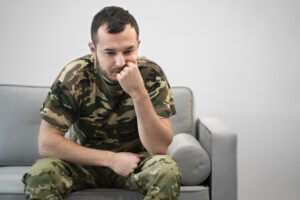
- Military combat

- Loss or sudden life-threatening events
What Trauma Can Look Like
Trauma affects people differently. Some individuals may feel anxious, numb, or on edge, while others may struggle with memories or emotions that feel difficult to control. Trauma responses can show up immediately or emerge months or even years later.
Common experiences may include:
- Intrusive memories, flashbacks, or nightmares
- Heightened anxiety, fear, or hypervigilance
- Emotional numbness or detachment
- Avoidance of reminders of the event
- Difficulty sleeping, concentrating, or relaxing
- Feelings of guilt, shame, or loss of control
- Struggles with decision-making or feeling frozen
- Patterns of self-blame or minimizing past experiences
Other ways trauma may show up:
- Sudden emotional shutdown or difficulty expressing feelings
- Overreacting to minor stressors or feeling emotionally flooded
- Challenges with boundaries or people-pleasing behaviors
- Feeling unsafe even in calm or familiar environments
- Persistent negative self-talk or a damaged sense of self-worth
- Physical sensations such as tight chest, shallow breathing, or chronic fatigue
- Difficulty staying present or feeling “spaced out”
- Feeling disconnected from joy, purpose, or motivation
How Counseling Can Help
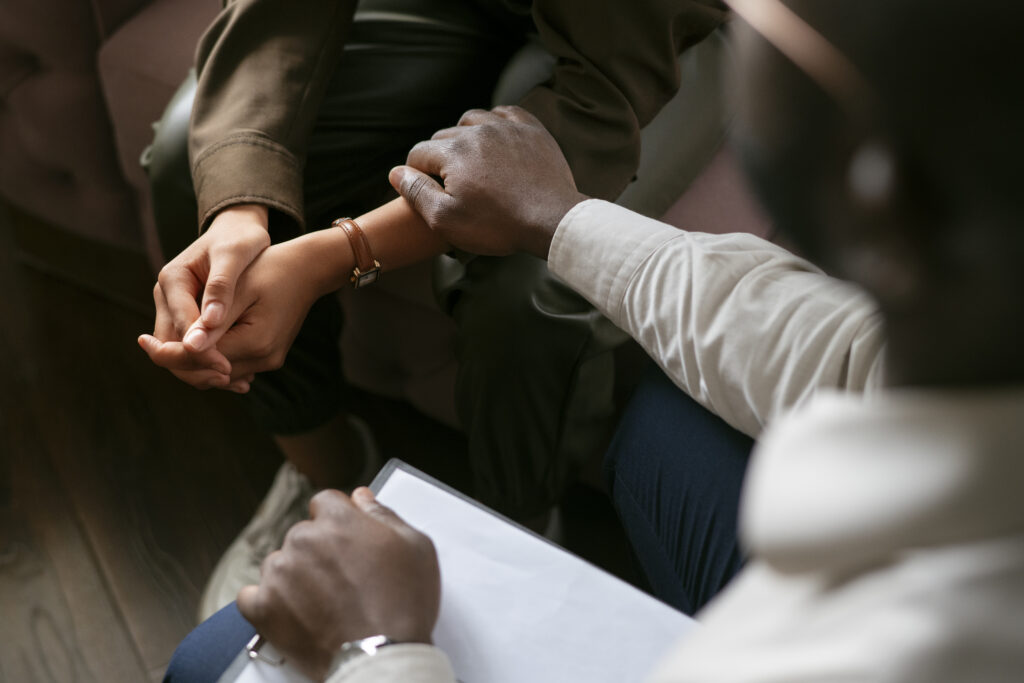
Trauma-informed counseling provides a safe, supportive space to process experiences at your own pace. Therapy focuses on helping you regain a sense of safety, reduce distressing symptoms, and reconnect with yourself and others.
- Learn grounding and coping skills to manage symptoms
- Process traumatic memories in a safe, controlled way
- Reduce anxiety, fear, and emotional overwhelm
- Build resilience and a stronger sense of self
- Restore trust, stability, and emotional balance
Recovery doesn’t mean forgetting what happened—it means learning how to move forward with greater peace, strength, and control.
Virtual Appointments Available

In-Person Appointments Available
Insurance Accepted: Cigna, United Healthcare, Oscar, Aetna & more!
Trauma and PTSD Support for Adults, Teens, and Couples
Trauma and PTSD can affect people at any stage of life and can place strain on relationships as well as individual well-being. We offer compassionate, trauma-informed support for adults, teens, and couples, helping clients understand how trauma impacts emotions, behaviors, and connections with others. Through a safe and supportive therapeutic approach, individuals and couples can build coping skills, strengthen communication, and work toward healing, stability, and renewed connection.
Faith Based Counseling for Trauma and PTSD
Faith-based counseling for trauma and PTSD integrates professional therapeutic support with spiritual values and beliefs. This approach offers a safe, compassionate space to process painful experiences while drawing strength from faith, prayer, and spiritual grounding. For individuals and families seeking healing that honors both emotional well-being and spiritual life, faith-based counseling can support restoration, hope, and renewed peace after trauma.
Begin Your Healing Journey
Contact us today to schedule an appointment and take the first step toward healing, resilience, and renewed hope.
Insurances Accepted Include: